
When you discover missing shingles, a ceiling stain, or another roofing problem, one of the first decisions you will face is whether to repair the damaged area or replace the entire roof.
A roof repair is usually less expensive and can be the right solution for isolated damage on a roof that is otherwise in good condition. However, repeatedly repairing an aging or extensively damaged roof may only delay an inevitable replacement—and could cost more over time.
There is no single answer that applies to every home. The right choice depends on several factors, including:
- The age and overall condition of the roof
- The location and extent of the damage
- Whether the roof has leaked before
- The number of previous repairs
- The condition of the materials beneath the shingles
- The cost difference between repairing and replacing
- Whether matching replacement materials are available
Here is how homeowners in Columbus and throughout Central Ohio can determine which option may make the most sense for their property.
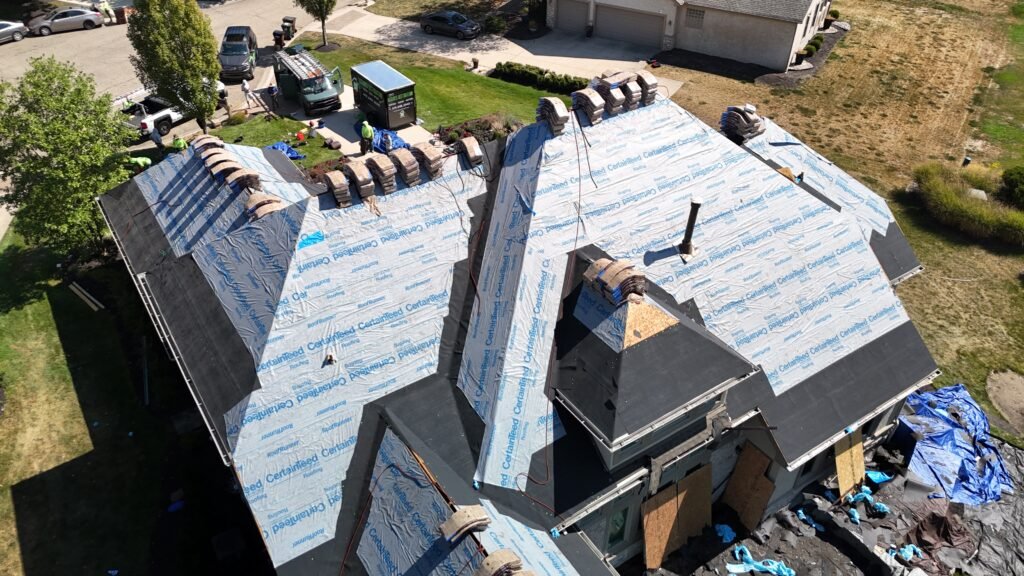
When Is a Roof Repair Usually the Better Option?
A roof repair may be appropriate when the problem is limited to one area and the rest of the roofing system remains in good condition.
Common situations that may only require a repair include:
- A small number of missing or damaged shingles
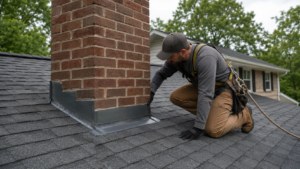
- Minor damage around a vent, chimney, or flashing
- A single isolated leak
- Damage caused by a fallen branch
- A small area affected by wind
- Loose flashing or another roofing component
- A relatively newer roof with no history of major problems
For example, if a recent storm removes several shingles from one section of an otherwise healthy roof, replacing those shingles and correcting any related damage may provide a reliable solution.
However, the visible problem is not always the entire problem. A professional inspection is important because moisture can sometimes travel underneath the roofing materials before appearing inside the home.
When Should You Consider Replacing the Roof?
A complete roof replacement may make more financial and practical sense when the damage is widespread or the roofing system is approaching the end of its useful life.
Signs that replacement may be the better option include:
- Widespread missing, cracked, curled, or deteriorated shingles
- Multiple active or recurring leaks
- Extensive storm or hail damage
- Soft, sagging, or damaged roof decking
- Significant granule loss across the roof
- Frequent repairs in several different areas
- Roofing materials that are no longer available
- A repair estimate that represents a large portion of replacement cost
- An older roof with several signs of deterioration
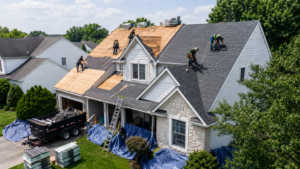
Replacing the roof allows the contractor to remove the existing roofing materials, inspect the underlying decking, address hidden damage, and install a complete new roofing system.
A replacement is a larger investment than a repair, but it may offer better long-term value when continued repairs are unlikely to solve the roof’s underlying problems.
Seven Factors That Determine Whether You Should Repair or Replace Your Roof
1. The Age of the Roof
The roof’s age is one of the most important factors to consider, but age alone does not automatically determine whether replacement is necessary.
A newer roof with isolated storm damage may be an excellent candidate for repair. An older roof with curling shingles, recurring leaks, or widespread deterioration may not be worth repairing again.
The expected service life of a roof can vary based on:
- The type and quality of roofing materials
- The quality of the original installation
- Attic ventilation
- Weather exposure
- Tree coverage and debris
- Maintenance history
- Previous storm damage
Instead of relying only on the installation date, a professional contractor should evaluate the roof’s actual condition.
2. The Extent of the Damage
A small, concentrated problem is generally easier to repair than damage spread across multiple roof slopes.
Repair may be reasonable when only one section has been affected. Replacement may be recommended when damage appears throughout the roofing system or when multiple areas are beginning to fail at the same time.
The contractor should also determine whether the problem is limited to the shingles or extends into the underlayment, flashing, ventilation components, or roof decking.
3. The Source of the Problem
Understanding why the roof is damaged is just as important as locating the damage.
Potential causes include:
- Wind or hail
- Falling branches
- Aging materials
- Improper installation
- Inadequate ventilation
- Damaged flashing
- Ice dams
- Clogged gutters
- Long-term moisture intrusion
Replacing a few shingles will not permanently solve a leak caused by improper flashing, deteriorated decking, or a ventilation issue. The underlying cause must be corrected for the repair to be effective.
4. The Roof’s Repair History
An isolated repair does not necessarily indicate that the entire roof is failing. However, a pattern of repeated repairs can be a warning sign.
Ask yourself:
- Has the roof leaked more than once?
- Have different sections needed repairs?
- Are new issues appearing every season?
- Are repair costs beginning to add up?
- Has a previous repair failed?
When homeowners continually spend money correcting new problems, replacement may provide a more dependable and cost-effective long-term solution.
5. The Condition Beneath the Shingles
Shingles are only one component of the roofing system.
A professional inspection may also evaluate:
- Roof decking
- Underlayment
- Flashing
- Drip edge
- Pipe boots
- Roof vents
- Valleys
- Chimney connections
- Attic ventilation
- Evidence of moisture inside the attic
If the roof decking is soft, rotted, sagging, or extensively water-damaged, replacing only the visible shingles may not be enough.
Damage beneath the surface is one reason homeowners should avoid making this decision based solely on what they can see from the ground.
6. The Availability of Matching Shingles
Repairing part of a roof can become more complicated when the existing shingles are no longer manufactured.
Even when a similar color is available, years of sunlight and weather exposure can cause the existing shingles to fade. A newly installed section may look noticeably different.
Appearance alone does not always require a complete replacement, but material availability and compatibility should be considered. The replacement shingles must be suitable for the existing roofing system and installed according to applicable requirements.
A professional contractor can explain whether a compatible repair is possible and how noticeable the repaired section may be.
7. The Long-Term Cost
A repair normally costs less than a full replacement in the short term. However, the least expensive immediate option is not always the most affordable long-term decision.
Consider:
- The cost of the proposed repair
- How long the repair is reasonably expected to last
- The likelihood of additional problems
- The remaining condition of the roof
- The cost of previous repairs
- Whether replacement will be needed soon anyway
If a roof is otherwise healthy, repairing an isolated problem may extend its service life and prevent an unnecessary replacement.
If the roof is deteriorating in several areas, spending more money on another temporary repair may not provide meaningful value.
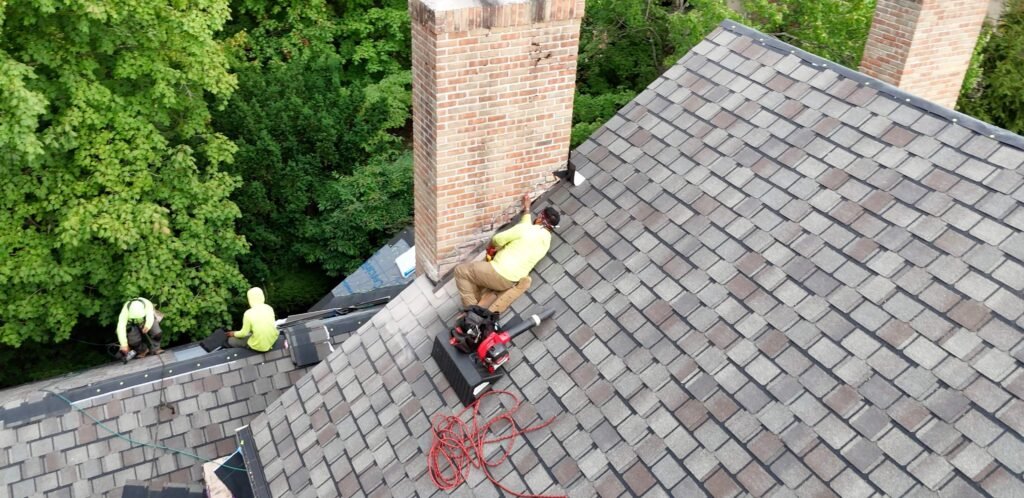
Can You Replace Only One Section of a Roof?
In some situations, replacing one roof slope or section may be possible.
This may be considered when:
- Damage is limited to a clearly defined area
- The remaining sections are in good condition
- Compatible materials are available
- The roof’s layout allows the section to be separated properly
- The partial replacement will not create drainage or flashing problems
However, partial replacement is not appropriate for every roofing system. The contractor must consider how the new section will connect to the existing materials and whether the finished roof will remain watertight.
Does One Roof Leak Mean You Need a New Roof?
Not necessarily.
A single leak could be caused by a relatively minor issue, such as:
- Damaged flashing
- A cracked pipe boot
- A loose roofing component
- A small number of missing shingles
- A puncture caused by debris
- An improperly sealed roof penetration
These problems may be repairable without replacing the entire roof.
However, multiple leaks, widespread water staining, damaged decking, or leaks that repeatedly return after repairs may indicate a larger roofing failure.
Water stains can also appear some distance away from the actual entry point because water may travel along the roof decking, rafters, or other building materials. A professional inspection can help locate the true source.
What Happens If You Delay Roof Repairs?
A small roofing problem can become significantly more expensive when water continues entering the home.
Unresolved roof leaks may eventually contribute to:
- Wet or damaged insulation
- Ceiling and drywall damage
- Mold or mildew growth
- Deteriorated roof decking
- Rotted framing materials
- Damaged paint or flooring
- Electrical hazards
- Larger areas requiring repair
Addressing the problem early may preserve more of the existing roofing system and reduce the likelihood of damage to the home’s interior.
Do not wait until water is actively dripping from the ceiling. Musty odors, attic moisture, dark stains, peeling paint, and discolored drywall can all justify a professional inspection.
Should You Repair or Replace a Storm-Damaged Roof?
The answer depends on how much of the roof was affected and the roof’s condition before the storm.
A repair may be possible when wind, hail, or falling debris damages only a small section of a relatively healthy roof.
Replacement may be more appropriate when:
- Damage appears on multiple roof slopes
- Many shingles are missing or compromised
- The roof was already showing signs of deterioration
- The decking or underlying components were damaged
- Compatible materials cannot be sourced
- Repairing isolated areas would not restore the roofing system properly
Homeowners insurance may cover certain sudden storm-related damage, depending on the policy, deductible, cause of loss, and insurance company’s inspection.
A roofing contractor can document visible damage and prepare an estimate, but the insurance company makes the final decision regarding coverage.
Internal link opportunity: Link this section to the article titled Does Homeowners Insurance Cover Roof Damage in Ohio?
Should You Repair an Older Roof Before Selling Your Home?
That decision depends on the roof’s condition, the local real estate market, and the size of the problem.
Repairing a small issue may prevent it from becoming an obstacle during the buyer’s home inspection. However, repeatedly patching a roof with widespread deterioration may not fully address a buyer’s concerns.
A newer roof may improve curb appeal and make the home more attractive to potential buyers, but replacement is not automatically necessary before every sale.
Before deciding, homeowners should consider:
- The results of a professional roof inspection
- The estimated repair and replacement costs
- The roof’s remaining condition
- The home’s expected selling price
- Advice from a qualified real estate professional
Why a Professional Roof Inspection Matters
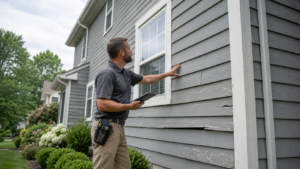
Determining whether a roof needs to be repaired or replaced involves more than counting missing shingles.
A thorough inspection can help identify:
- The source of a leak
- The extent of visible storm damage
- The condition of the roof decking
- Damaged or deteriorated flashing
- Ventilation problems
- Improper installation
- Areas vulnerable to future leaks
- Whether repair is a realistic long-term solution
Homeowners should not climb onto the roof themselves. Roofing surfaces can be steep, slippery, unstable, or damaged in ways that are difficult to see.
A qualified contractor can safely evaluate the roofing system and clearly explain the available options.
Schedule a Free Roof Inspection in Greater Columbus
You should not have to guess whether your home needs a minor roof repair or a complete replacement.
Assured Restoration provides professional roof inspections, repairs, and replacements for homeowners throughout Columbus, Blacklick, and the surrounding Central Ohio area.
Our team will evaluate the visible condition of your roofing system, identify areas of concern, and explain whether repair or replacement may be the more practical solution. We believe homeowners deserve clear information before making a major decision about their property.
Schedule your free roof inspection today by calling Assured Restoration at 614-648-2040.
Frequently Asked Questions
Is it better to repair or replace a roof?
Repair is often appropriate for isolated damage on a roof that is otherwise in good condition. Replacement may be more practical when damage is widespread, leaks are recurring, or the roofing system is showing multiple signs of deterioration.
How do I know whether my roof can be repaired?
A contractor will consider the roof’s age, overall condition, repair history, extent of the damage, condition of the decking, and availability of compatible materials. A professional inspection is the best way to determine whether a lasting repair is possible.
Can missing shingles be repaired?
Yes, a small number of missing shingles can often be replaced when the surrounding roofing materials remain in good condition and compatible shingles are available. Widespread or repeated shingle loss may indicate a larger problem.
Does a leaking roof always need to be replaced?
No. Some leaks are caused by isolated problems such as damaged flashing, a cracked pipe boot, or a few missing shingles. Multiple leaks, damaged decking, or widespread deterioration may make replacement necessary.
Can I repair a roof myself?
Roofing work presents a serious fall risk, and an incorrect repair may cause additional water damage or affect product warranties. Homeowners should have the roof inspected and repaired by a qualified roofing professional.
How soon should I address a roof leak?
A suspected leak should be inspected as soon as reasonably possible. Continued water intrusion can damage insulation, ceilings, roof decking, framing, and other parts of the home.
Will homeowners insurance pay for a roof replacement?
Insurance may cover repairs or replacement when roof damage results from a covered event such as wind or hail. It generally does not cover ordinary aging or neglected maintenance. Coverage depends on the individual policy and the insurance company’s determination.
This article provides general educational information. Every roofing system and homeowners insurance policy is different. A professional inspection is necessary to receive recommendations for a specific property.