
Your roof protects your home from rain, wind, snow, hail, and changing Ohio temperatures. However, many roofing problems develop gradually and are easy to overlook until water begins entering the home.
A professional roof inspection can identify damaged materials, vulnerable areas, and early signs of deterioration before they become larger and more expensive problems.
You should not wait for water to start dripping from the ceiling before paying attention to your roof.
Here are seven signs that it may be time to schedule a professional roof inspection.
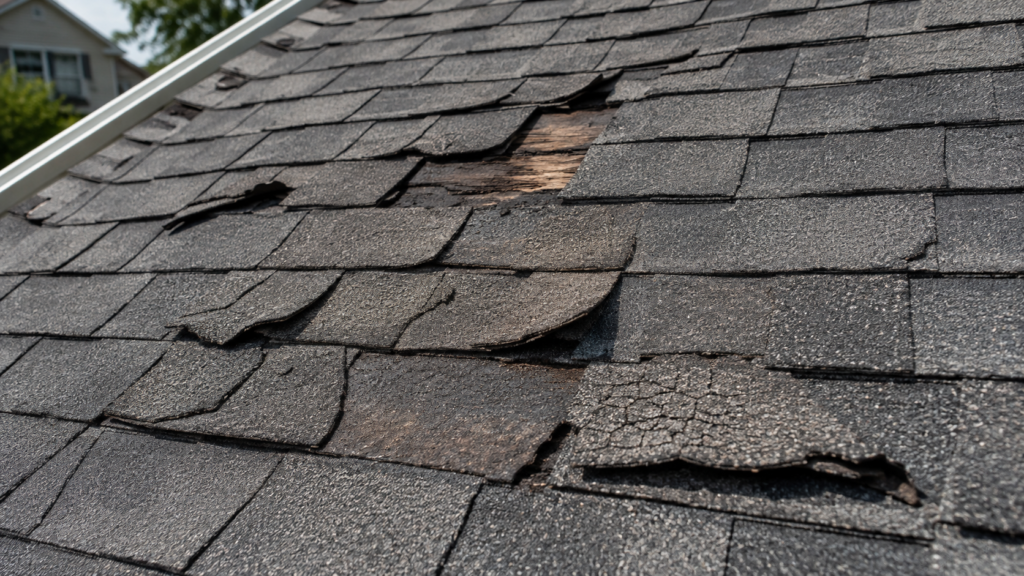
1. Shingles Are Missing, Lifted, Cracked, or Curling
Damaged shingles are one of the most recognizable signs of a roofing problem.
Look for shingles that appear:
- Missing
- Lifted along the edges
- Curled or cupped
- Cracked
- Torn
- Creased
- Loose
- Visibly different from surrounding shingles
Shingles form the primary exterior layer of protection on many residential roofs. When they become damaged or displaced, the materials underneath may become more vulnerable to wind-driven rain and moisture.
One damaged shingle may only require a targeted roof repair. Damage across several areas may indicate a larger issue.
Because it can be difficult to evaluate shingles from the ground, have a professional inspect the roof rather than climbing onto it yourself.
2. You Notice Shingle Granules in the Gutters
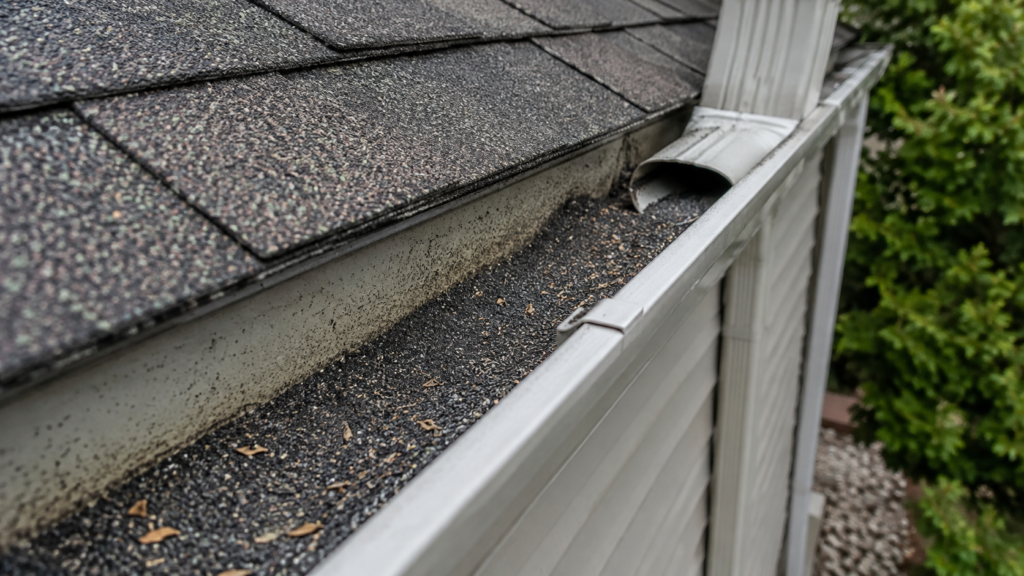
Asphalt shingles contain protective granules on their surfaces.
Some granule loss can occur naturally, especially after installation or as a roof ages. However, large amounts collecting in the gutters or near downspouts may be a sign that shingles are wearing down or have been affected by weather.
You may notice:
- Sand-like material in the gutters
- Dark areas on the roof
- Uneven coloration
- Bare-looking spots on shingles
- Granules collecting near downspout exits
A roofing professional can determine whether the granule loss appears normal or whether it may indicate deterioration or storm-related damage.
3. You See Water Stains or Moisture Indoors
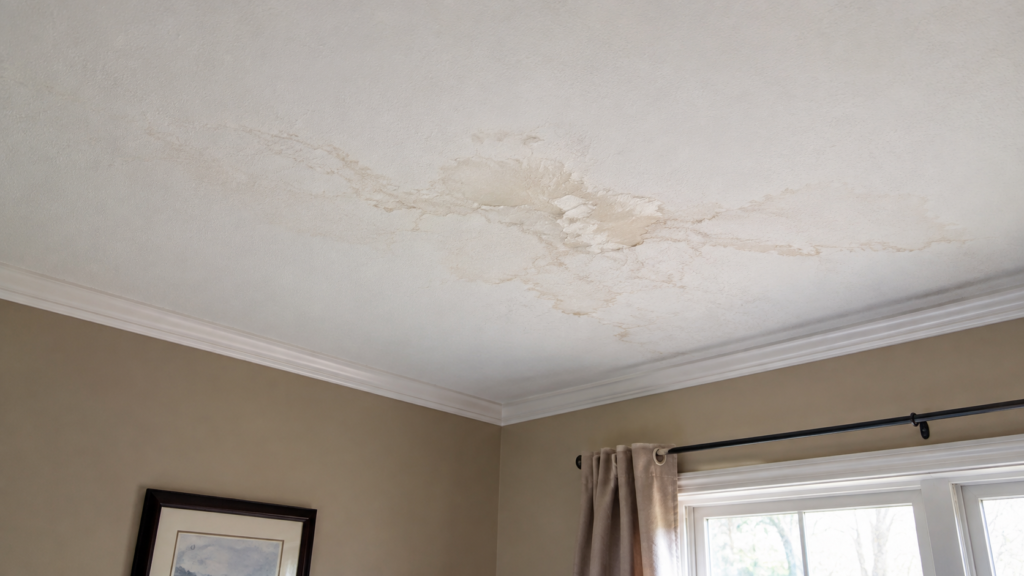
A water stain on the ceiling is one of the clearest signs that the roof or another exterior component needs attention.
Possible warning signs include:
- Yellow or brown ceiling stains
- Damp drywall
- Bubbling paint
- Peeling paint
- Moisture in the attic
- Wet insulation
- Musty odors
- Active dripping during rain
- Darkened wood in the attic
The location of an interior stain does not always reveal where the water entered. Water can travel along decking, rafters, pipes, or other surfaces before becoming visible inside the home.
The source could involve shingles, flashing, a roof vent, a chimney, a pipe boot, or another vulnerable area.
Even when a stain appears small, the underlying issue should be investigated.
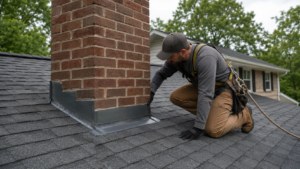
4. Flashing or Roof Penetrations Appear Damaged
Flashing helps direct water away from roof transitions and openings.
It is commonly installed around:
- Chimneys
- Skylights
- Plumbing vents
- Sidewalls
- Valleys
- Roof-to-wall intersections
- Exhaust vents
Damaged, loose, corroded, or improperly installed flashing can create a path for water to enter the roofing system.
Sealants around roof penetrations may also crack or deteriorate over time.
These details can be difficult to evaluate safely from the ground, but visible rust, gaps, displaced metal, or staining near a chimney or wall may indicate that an inspection is needed.
5. Part of the Roof Appears to Be Sagging
A roofline should generally appear straight and consistent.
An area that looks sunken, wavy, or noticeably uneven may indicate a problem with the decking or underlying structure. Possible causes include prolonged moisture exposure, damaged decking, structural movement, or excessive weight.
A sagging area should not be ignored.
Do not climb onto that section of the roof or attempt to investigate it yourself. Contact a qualified roofing professional promptly so the condition can be evaluated safely.
When significant structural movement is visible or the home appears unsafe, keep people away from the affected area and seek appropriate emergency assistance.
6. Your Home Was Recently Hit by Hail or Strong Winds
You do not need to see a leak to justify an inspection after a major storm.
Hail and high winds can cause damage that is difficult to identify from the ground. Wind may lift or crease shingles without completely removing them. Hail may affect shingles, flashing, vents, gutters, and other exterior materials.
After a storm, look for:
- Shingles in the yard
- Dented gutters or downspouts
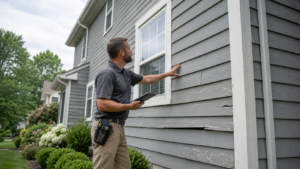
- Damaged siding
- Fallen branches
- Loose exterior materials
- New ceiling stains
- Debris on the roof
- Damage to nearby vehicles or outdoor furniture
Damage to other exterior surfaces may indicate that the roof was exposed to the same conditions.
A professional storm-damage inspection can document the roof’s condition and help you understand whether repairs are recommended.
7. The Roof Is Older or Has Needed Repeated Repairs
Age alone does not determine whether a roof must be replaced. Installation quality, ventilation, materials, weather exposure, and maintenance can all affect performance.
However, an older roof should generally be monitored more closely.
An inspection may be especially valuable when:
- You do not know when the roof was installed
- The roof has leaked more than once
- Different sections have been repaired repeatedly
- Shingles are becoming brittle
- Multiple shingles have blown off
- Repairs are becoming more frequent
- You are planning to sell or purchase the home
- You are unsure about the roof’s remaining condition
Repeated repairs do not automatically mean replacement is required, but they may indicate that isolated fixes are no longer addressing the larger issue.
Why Early Roof Inspections Matter
Small roofing problems can become more extensive when they remain exposed to rain, snow, wind, and temperature changes.
For example, one damaged area may allow moisture to affect:
- Underlayment
- Roof decking
- Insulation
- Attic framing
- Drywall
- Paint
- Personal belongings
An inspection does not automatically mean that you need a new roof. The purpose is to gather accurate information about the roof’s condition.
The inspection may show that:
- No immediate work is needed
- A small repair is appropriate
- Maintenance is recommended
- Storm damage is present
- Additional monitoring is needed
- Replacement should be considered
Knowing the condition of your roof allows you to make decisions before an emergency occurs.
When Should a Roof Be Inspected?
Consider scheduling an inspection:
- After a major hail or windstorm
- When you notice an active leak
- When shingles are visibly missing or damaged
- Before buying or selling a home
- After a large branch strikes the roof
- When the roof’s age or history is unknown
- Before beginning major interior renovations
- When repeated repairs are becoming necessary
You may also choose to have the roof evaluated periodically as part of your home-maintenance plan.
What Happens During a Professional Roof Inspection?
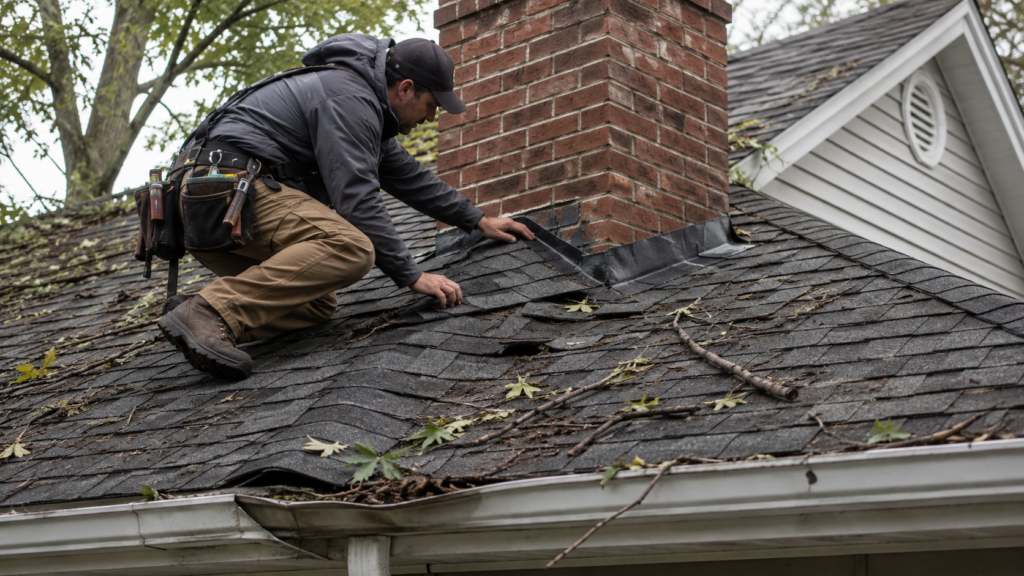
The exact process depends on the home and roofing system, but a professional may examine:
- Shingles
- Flashing
- Valleys
- Ridge caps
- Roof vents
- Pipe boots
- Chimney areas
- Gutters and downspouts
- Visible roof penetrations
- Ventilation
- Roof decking where accessible
- Interior water stains
- Attic moisture concerns
The contractor should explain what was observed and whether any work is recommended.
Frequently Asked Questions
Can I inspect my own roof?
You can look for visible warning signs from the ground, inside the attic, or through a window. Avoid walking on the roof yourself. Roofing surfaces may be steep, slippery, fragile, or damaged.
Does a roof inspection mean I will be pressured into replacing it?
A professional inspection should provide information about the roof’s condition. It should not automatically result in a replacement recommendation. Depending on the findings, the roof may need no work, maintenance, a repair, or replacement.
How long does a roof inspection take?
The amount of time depends on the roof’s size, pitch, complexity, accessibility, and the issues being investigated.
Should I have the roof inspected even when it is not leaking?
Yes. Some forms of damage do not cause an immediate visible leak. An inspection may identify concerns before water reaches the interior of the home.
Are roof inspections helpful after hail?
Yes. Hail impacts can be difficult for homeowners to recognize from the ground. A professional can evaluate the shingles, vents, flashing, gutters, and other roof components for visible damage.
Will insurance pay for roof repairs found during an inspection?
Insurance may cover damage caused by certain covered events, but policies generally do not cover normal aging, wear, or deferred maintenance. The insurance carrier determines whether a specific loss is covered.
Schedule a Roof Inspection in Central Ohio
Do not wait for a small roofing concern to turn into an active leak or a more extensive repair.
Assured Restoration provides professional roof inspections throughout Columbus, Dublin, Powell, Westerville, Gahanna, New Albany, Reynoldsburg, and the surrounding Central Ohio area.
Our team will inspect your roof, explain any visible concerns, and help you understand the available repair or replacement options.