
Severe storms can move through Central Ohio quickly, bringing strong winds, hail, heavy rain, and falling debris. Once the storm passes, homeowners are often left wondering whether their roof was damaged and what they should do next.
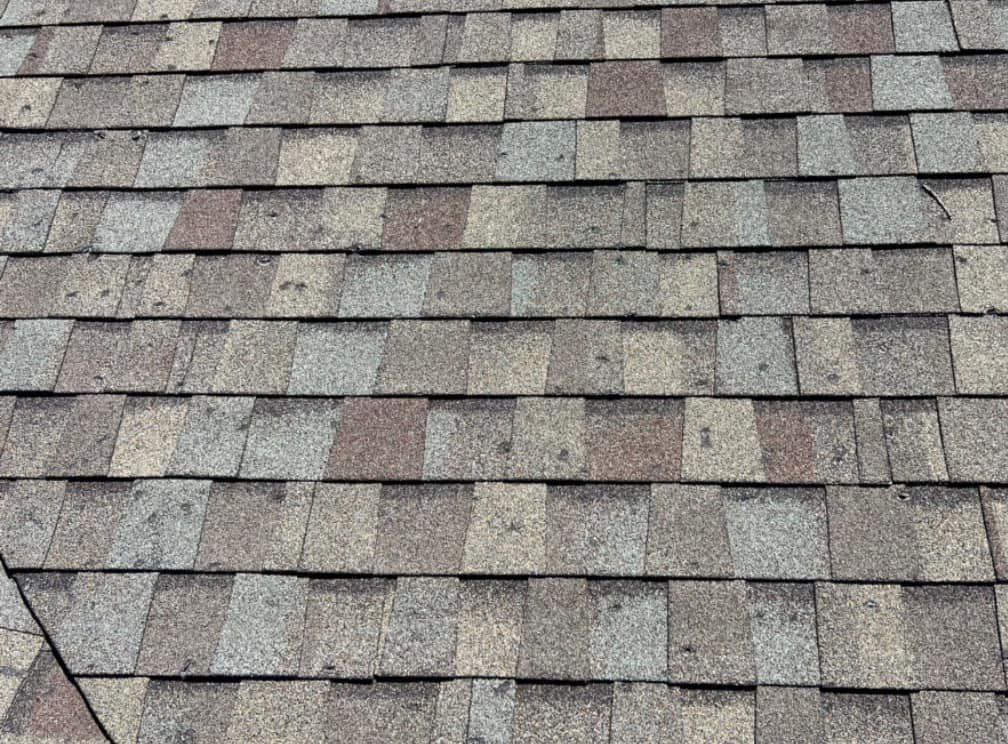
Roof damage is not always obvious from the ground. A roof may look normal while still having lifted shingles, damaged flashing, exposed underlayment, or hail impacts that could eventually allow water into the home.
Taking the right steps after a storm can help protect your property, prevent additional damage, and make the insurance claim process easier if a claim becomes necessary.
Here is what you should do if hail or high winds may have damaged your roof.
1. Wait Until the Storm Has Completely Passed
Your safety should always come first.
Do not go outside while there is still lightning, strong wind, hail, or falling debris in the area. Stay away from downed power lines, damaged trees, and any part of the home that appears unstable.
You should also avoid climbing onto your roof yourself. Storm-damaged roofing materials can be loose, wet, or difficult to walk on safely. A professional roofer has the proper equipment and training to inspect the roof without placing you at unnecessary risk.
2. Look for Damage From the Ground
Once conditions are safe, walk around your property and look for visible signs of storm damage.
Common warning signs include:
- Shingles lying in the yard
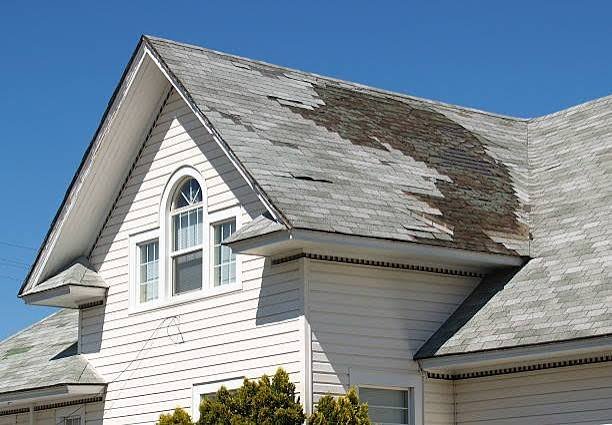
- Missing or lifted shingles
- Pieces of roofing material near the home
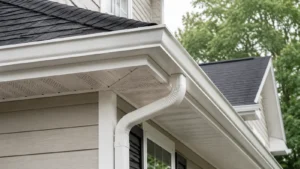
- Dented gutters or downspouts
- Damaged siding
- Fallen tree limbs
- Loose flashing
- Damage around roof vents or chimneys
- Granules collecting near downspouts
- Water entering the attic or living area
You can also look at your roof from the ground or through an upstairs window. However, remember that many forms of hail and wind damage are difficult to identify without a close professional inspection.
3. Check the Interior of Your Home
Not all roof damage can be seen outside.
Check your attic, ceilings, walls, and upper-floor rooms for signs of water intrusion. Look for:
- New water stains
- Damp insulation
- Dripping water
- Bubbling paint
- Discolored drywall
- Musty odors
- Moisture around ceiling fixtures
Even a small stain could indicate that water has entered through damaged shingles, flashing, or another vulnerable area of the roof.
If water is entering the home, move furniture and valuables away from the affected area. Place a bucket or container beneath active drips when it is safe to do so.
4. Document Everything You Can See
Take clear photos and videos of any visible damage before cleanup or temporary repairs begin.
Document:
- Shingles or roofing materials in the yard
- Damaged gutters and siding
- Fallen branches
- Interior water stains
- Damaged personal belongings
- The general condition of the property
- The date and approximate time of the storm
You do not need to climb onto the roof to collect this documentation. Take photos from safe areas and allow a roofing professional to photograph the roof itself during the inspection.
Keeping organized records can be helpful when speaking with your roofing contractor and insurance company.
5. Prevent Additional Damage When It Is Safe
Homeowners are generally expected to take reasonable steps to prevent existing damage from getting worse. However, you should never put yourself in danger or attempt a repair you are not qualified to perform.
Depending on the situation, temporary protection may include:
- Moving belongings away from a leak
- Catching dripping water
- Covering damaged personal property
- Having a professional install an emergency tarp
- Removing standing water from a safe interior area
Save receipts for emergency services or materials. Whether these expenses are reimbursed depends on the terms of your insurance policy.
Avoid making permanent repairs before the roof has been inspected and the damage has been properly documented.
6. Schedule a Professional Roof Inspection
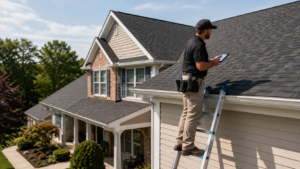
A professional inspection is one of the most important steps after a major Central Ohio storm.
An experienced roofing contractor can inspect:
- Shingle surfaces
- Roof vents
- Flashing
- Valleys
- Ridge caps
- Gutters and downspouts
- Pipe boots
- Chimney areas
- Roof decking when accessible
- Interior signs of water intrusion
The inspection can help determine whether the roof has no meaningful damage, needs a targeted repair, or may require more extensive work.
Assured Restoration provides professional roof inspections for homeowners throughout Columbus and the surrounding Central Ohio area.
7. Review Your Insurance Policy
Homeowners insurance commonly covers certain forms of sudden and accidental storm damage, but every policy is different.
Coverage may depend on:
- The cause of the damage
- The age and condition of the roof
- Your deductible
- Whether your roof has replacement-cost or actual-cash-value coverage
- Policy exclusions
- Maintenance-related issues
- The extent of the documented damage
A roofing contractor can explain the physical condition of your roof, but only your insurance carrier can make a final coverage decision.
Review your policy or contact your insurance agent when you have questions about your deductible, coverage, or claim requirements.
8. Be Careful With Unfamiliar Storm Chasers
Major storms can bring out-of-town contractors into affected neighborhoods.
Before hiring a roofing company, check that it:
- Has a legitimate local presence
- Carries appropriate insurance
- Provides written estimates
- Explains the proposed work clearly
- Uses quality roofing materials
- Has verifiable customer reviews
- Does not pressure you into signing immediately
- Does not promise that insurance will automatically pay for everything
A roof is a major part of your home. Choose a contractor that will remain available before, during, and after the project.
Common Mistakes to Avoid After a Storm
Homeowners can accidentally make the process more difficult by acting too quickly or ignoring possible damage.
Try to avoid:
- Climbing onto a damaged roof
- Waiting until a small leak becomes a major problem
- Throwing away damaged materials before documenting them
- Making permanent repairs before an inspection
- Assuming there is no damage because the roof looks normal
- Hiring the first person who knocks on your door
- Assuming every type of damage will be covered by insurance
- Signing paperwork you do not fully understand
A professional inspection provides the information you need to make a more informed decision.
Frequently Asked Questions
Can hail damage a roof without leaving visible holes?
Yes. Hail can damage shingles by loosening protective granules, bruising the material, or weakening the shingle surface. This type of damage may not create an immediate hole or leak, which is why a professional inspection can be valuable.
What does wind damage look like on a roof?
Wind damage may include missing shingles, lifted edges, creased shingles, loose flashing, or exposed underlayment. Some wind damage is difficult to identify from the ground.
Should I call a roofer or my insurance company first?
The appropriate order can depend on the situation and your policy. A roof inspection can help you understand whether damage is present, while your insurance carrier determines whether that damage is covered. Do not delay contacting your insurer when your policy has a reporting deadline or when significant damage has occurred.
Does a roof inspection mean I have to file a claim?
No. An inspection helps determine the condition of the roof. The homeowner decides whether to contact the insurance company and begin a claim.
How quickly should I have my roof inspected after a storm?
Schedule an inspection as soon as reasonably possible, especially if you notice missing shingles, water intrusion, damaged gutters, or debris on the roof. Addressing damage early may help prevent additional problems.
Can Assured Restoration help with emergency roof damage?
Assured Restoration can inspect the damage, explain the roof’s condition, and discuss available repair or replacement options. Insurance coverage decisions are made by the homeowner’s insurance carrier.
Schedule a Storm-Damage Roof Inspection in Central Ohio
You should not have to guess whether hail or strong winds damaged your roof.
Assured Restoration provides professional roof inspections throughout Columbus, Dublin, Powell, Westerville, Gahanna, New Albany, Reynoldsburg, and the surrounding Central Ohio area.
Our team will carefully inspect your roof, document visible concerns, and explain the next steps clearly.